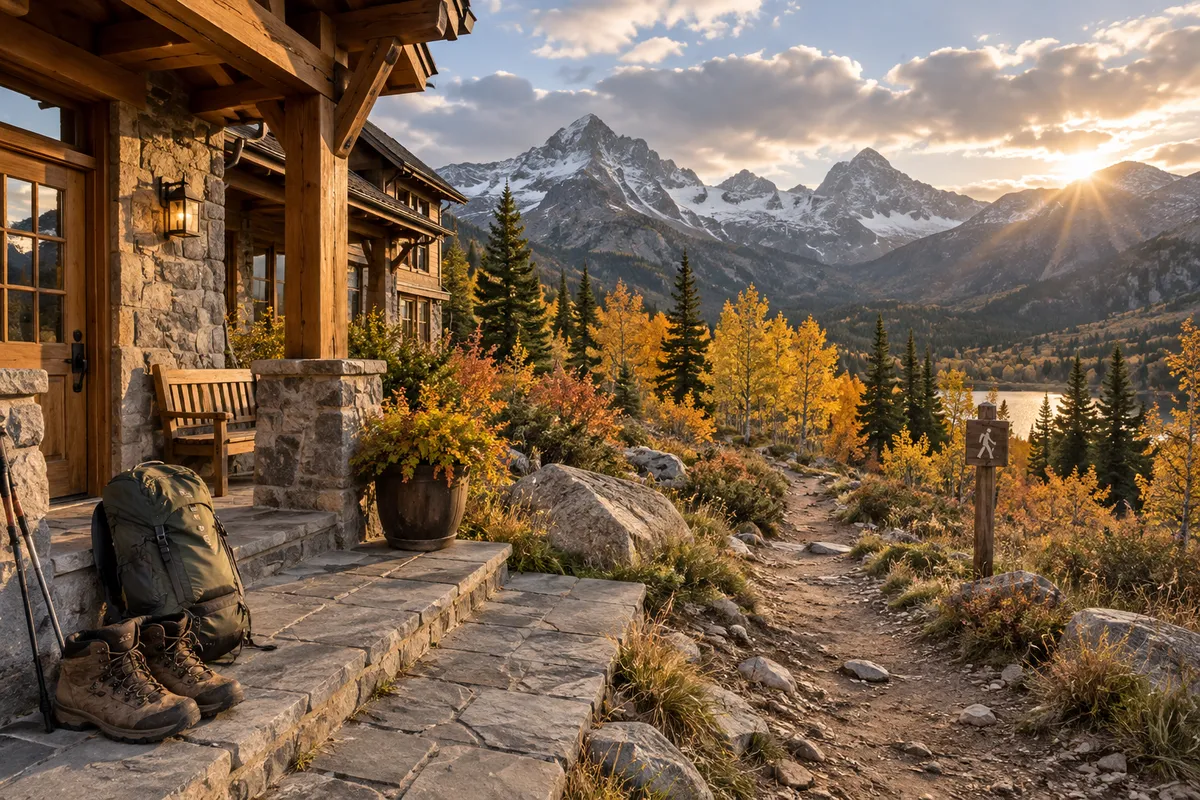
Travelpulse recently rounded up hotels and resorts that put hikers on a trail right outside the door, no drive to a trailhead required. The appeal is simple: scenery and adventure start when you step out of the lobby. This guide won't repeat that list. The roundup's details aren't something we can reproduce here, so instead you'll get something more portable: a way to choose and plan a stay like this at any destination, so you hike more and commute less.
Why a trailside hotel changes how you hike
Driving to a trailhead quietly shapes your whole day. You commit to one big outing, leave at a set time, and head back when the car calls. Trails at your doorstep remove that friction. You can walk out for a short sunrise loop, come back for breakfast, and head out again in the afternoon if your legs are willing.
That flexibility is the real payoff. A hotel with direct trail access lets you adjust to weather, energy, and light on the fly instead of betting a whole day on one drive.
Step 1: Treat the trails as the main amenity
When you compare properties, look at the trails before the pool or the spa. Ask a few concrete questions:
- Does the trail actually start at the property, or is it "nearby"? Check the hotel's own map and wording.
- Is there a range of routes? The Travelpulse roundup highlights resorts offering a variety of trails, which matters because you'll want a short option for tired days and a longer one for ambitious ones.
- Can you reach a trail on foot in the morning without crossing a major road?
Call or email the front desk and ask which trails they send guests to most often. Staff usually know the best loops.
Step 2: Build your days around a home base
A hotel-based hiking trip works best as a hub-and-spoke plan. The hotel is the hub, and each day is a different spoke.
Try a simple three-part rhythm
- Day one: Take an easy loop to learn the terrain, the trail markings, and how long things really take.
- Middle days: Go longer or steeper once you know your pace. Keep one in reserve for bad weather.
- Final day: Pick something short so you're not rushing a checkout or a flight.
Because you aren't packing a car each time, you can split big routes into two shorter walks. Morning and late afternoon often give the softest light and the most comfortable temperatures, which is a good reason to avoid the middle of the day.
Step 3: Pick the comfort level you want
Trailside stays range from rugged to luxurious, and the trade-offs are real. A simpler lodge keeps you close to the landscape and usually keeps costs lower. A resort adds comforts that feel especially good after a long walk: a hot soak, a proper dinner, a bed you don't want to leave. Decide in advance what you'll want at the end of the day, then choose accordingly. If you're sore and tired by 4 p.m., on-site dining may matter more than a fancy lobby.
Step 4: Pack for a hotel-based hiking trip
Staying put changes your packing list for the better. You don't need to carry everything at once, so you can bring options.
Bring these
- Two pairs of footwear: Rotating broken-in hiking shoes or boots lets one pair dry out. Add a comfortable pair for evenings.
- Layers: Temperatures shift between a morning start and a sunny afternoon. A light insulating layer and a packable rain shell cover most surprises.
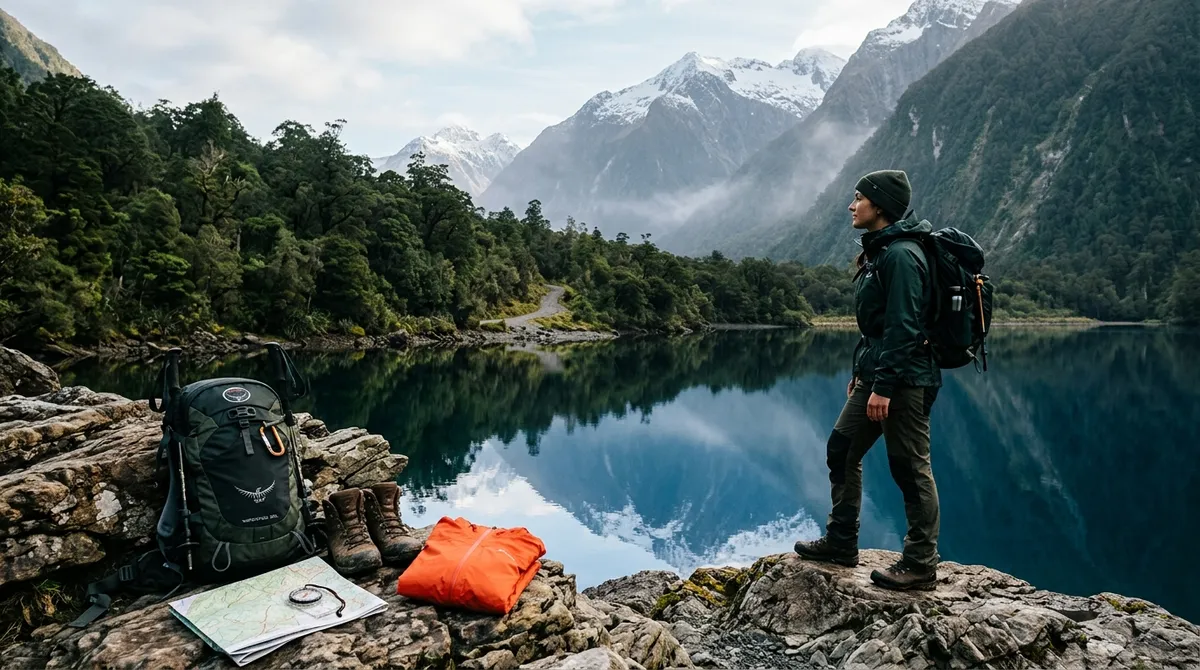
- A small daypack: Use it for water, snacks, a map, a phone charger, and a first-aid basics kit.
- Socks, more than you think: Blisters end hiking trips faster than weather does.
- Offline maps: Download the trail map before you leave, since signal can be patchy.
What you can leave behind
Skip the heavy gear that only matters for remote overnight trips. You'll return to a room each night, so you can carry less on the trail and recover better afterward.
Step 5: Use the hotel as part of your safety plan
One underrated benefit of a trailside stay is that someone knows where you are. Tell the front desk your route and expected return time, especially on longer outings. Ask about current trail conditions, closures, and when it gets dark. Starting your walk with a plan that's easy to share is a small habit that pays off.
When this kind of trip makes the most sense
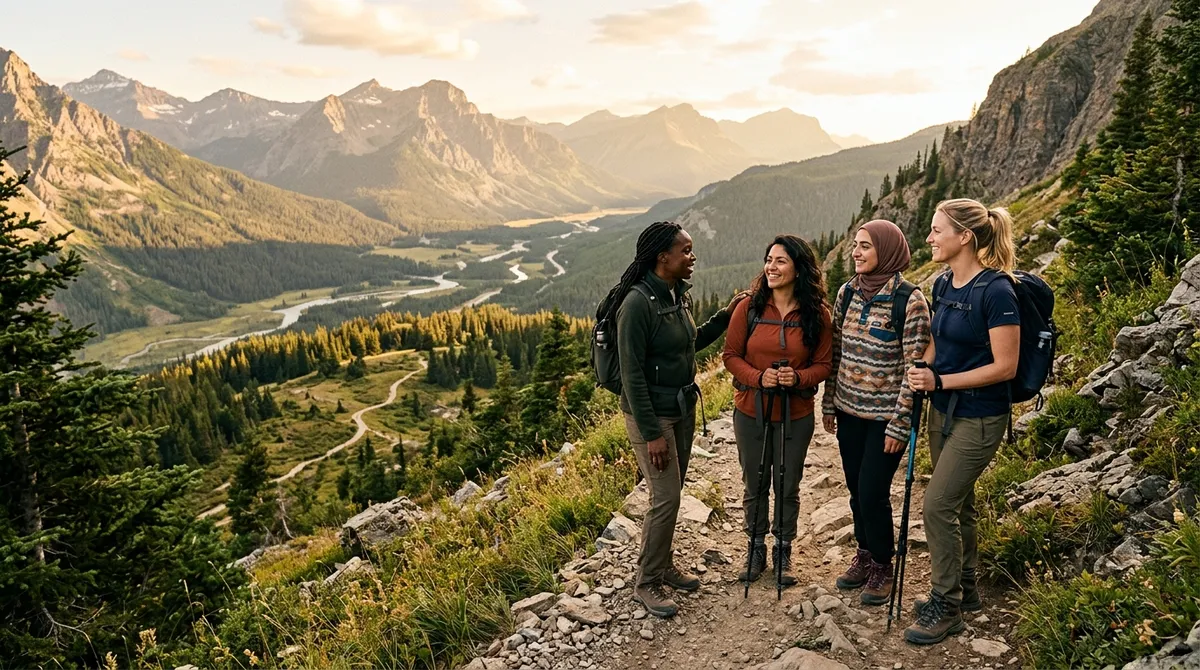
Trailside hotels suit weekend escapes particularly well. You skip the travel time that eats into a short getaway, and you can fit in a real hike the moment you arrive. They also suit mixed groups: one person can take a long route while another walks something gentler, and everyone meets again at the same door.
The one thing to do next
Before you book any hiking stay, find the trail map and check where the first path actually begins. If it starts at the property and offers both a short and a long route, you've found a place worth the reservation.