National parks are majestic places that showcase the beauty of nature while providing a unique adventure for visitors. However, as national park visitation numbers soar, the behavior of some tourists—affectionately dubbed ‘tourons’—has raised concerns among conservationists and park staff. These are tourists whose thoughtless choices endanger wildlife, damage landscapes, and create significant safety risks. Fortunately, by avoiding a handful of key mistakes, you can enhance your experience without leaving a negative impact on these precious ecosystems.
1. Getting Too Close To Wildlife
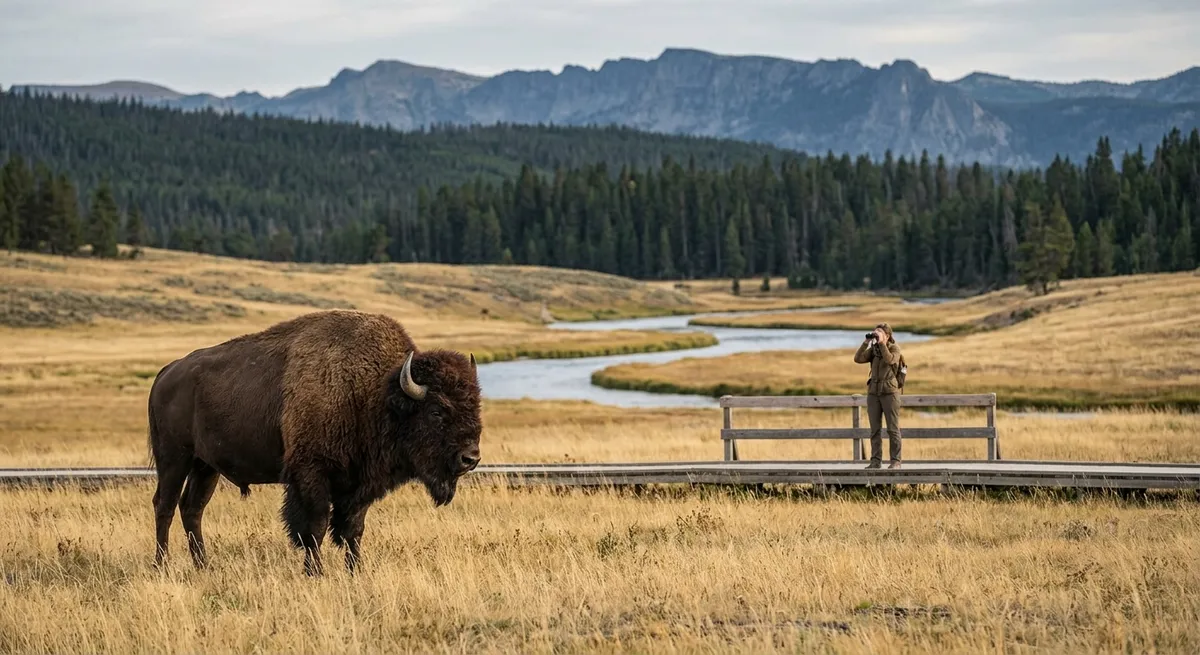
Getting up close and personal with wildlife might seem like a great idea for an Instagram photo, but it can be dangerous—for you and the animals. Approaching wildlife stresses animals and puts you at risk for injury or death. Each park has specific guidelines on how to observe animals safely, so familiarize yourself with those rules before you visit.
2. Feeding Wildlife
While it might seem harmless to feed a squirrel or a bird, offering food to wild animals disrupts their natural behavior and diet. Animals that become accustomed to human food can lose their instincts to hunt or forage, leading to long-term dependency on human-provided food and increased interactions that can become dangerous. Feeding wildlife is not only irresponsible; it’s often illegal, and you can be fined if caught.
3. Leaving Marked Trails And Boardwalks
Venturing off designated trails and boardwalks can seriously harm fragile habitats. These paths are created to minimize impact on the landscape, limit erosion, and protect wildlife nesting areas. Staying on established trails also ensures your safety, as backcountry areas can hide unseen hazards. Always stick to marked paths to appreciate the park safely and responsibly.
4. Ignoring Signs, Barriers, And Closures
National parks install signs and barriers for a reason. They serve to protect both visitors and the environment. Whether it's closed trails due to rockslides or warnings about dangerous wildlife nearby, ignoring these messages can result in fines or worse—injury. Respect the authority of park staff and stay updated on park information before and during your visit.
5. Risking Safety For The Perfect Photo
In our social media-driven world, seeking the perfect photo can lead to dangerous choices. Climbing over barriers, standing on cliff edges, or engaging in reckless behavior to capture an enticing shot is not worth it. Prioritize your safety over a social media post. Remember, no photograph is worth risking your life.
6. Arriving Unprepared
Preparation is key to enjoying your national park experience. Not researching or packing appropriately can lead to hunger, dehydration, or inabilities to deal with changing weather conditions. Familiarize yourself with the park's climate, potential hazards, and necessary gear. Create a checklist and ensure you arrive ready for all adventure scenarios.
7. Leaving Trash Behind
Leaving trash not only affects the beauty of the park but also endangers wildlife that may ingest or get entangled in discarded items. Follow the ‘Leave No Trace’ principles: carry out what you bring, and dispose of waste properly. Always have a plan for trash during your journey and search for recycling options when possible.
8. Taking Rocks, Flowers, Or Other “Souvenirs”
Taking anything from national parks—be it rocks, plants, or other natural features—destroys natural ecosystems and contributes to environmental degradation. These items can be essential for maintaining the local ecosystem, and removing them can have unintended consequences. Instead, document your experience through photos or meaningful memories, leaving the landscape untouched.
Visiting national parks provides an opportunity to connect with nature and understand the importance of conservation. By steering clear of these common mistakes, you not only keep yourself safe but also contribute to the preservation of these incredible environments for future generations. Enjoy your travels and cherish the beauty of the parks—just don’t be a ‘touron’!