
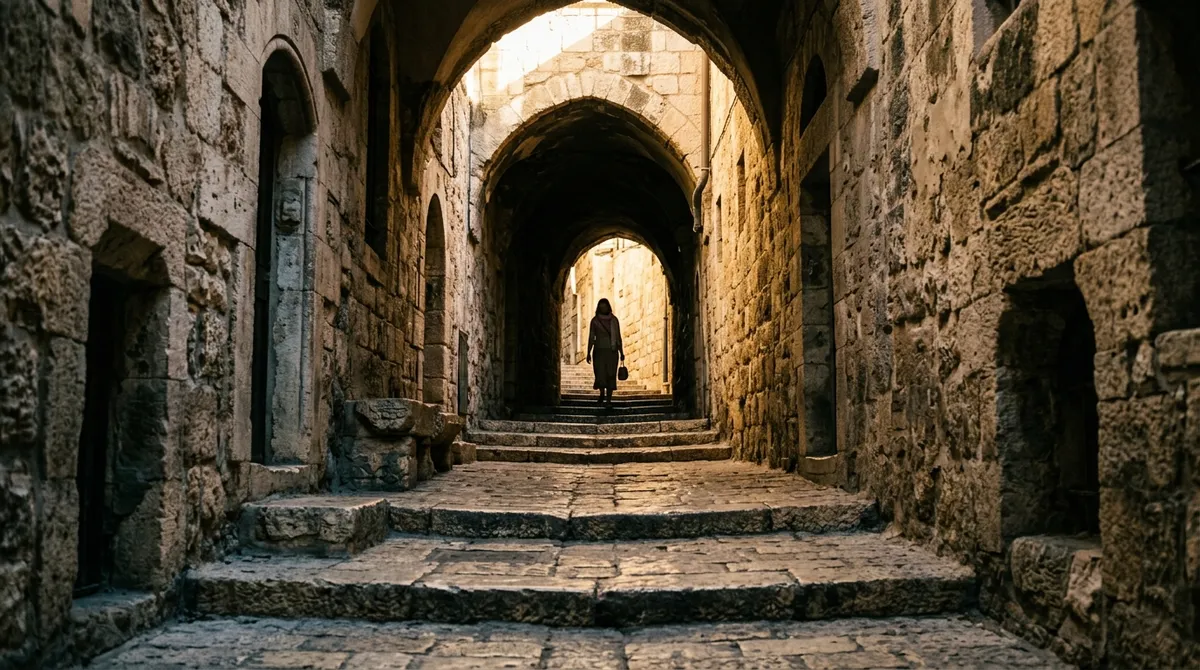
TL;DR: Jerusalem's newly reopened Pilgrimage Road connects travelers to 2,000 years of history, offering insights into ancient worship and daily life during the Second Temple period.
A Pathway to the Past: Discovering the Pilgrimage Road
Imagine walking in the footsteps of ancient pilgrims, feeling the echoes of prayers and rituals that once filled the air. Jerusalem's Pilgrimage Road, an extraordinary archaeological find dating back to the Second Temple period, has recently opened to the public after being hidden for nearly 2,000 years. This ancient pathway offers a unique glimpse into historic Jerusalem, catering to travelers eager to understand the cultural and spiritual significance of this sacred place.
The Significance of the Pilgrimage Road
Constructed during the Second Temple era, the Pilgrimage Road served as a vital route for Jewish pilgrims traveling to Jerusalem for major festivals, including Passover, Shavuot, and Sukkot. Spanning over half a mile, this thoroughfare connected the Pool of Siloam to the Temple Mount, guiding worshippers through a landscape filled with spiritual resonance.
What Would Pilgrims Have Experienced?
Walking along the Pilgrimage Road would have prompted a range of encounters. Pilgrims would have been joined by crowds of others, exchanging prayers, sharing stories, and partaking in the communal spirit that defined these journeys. Along the route, participants would have encountered merchants selling goods, musicians serenading the crowds, and perhaps even performers reenacting biblical tales, all of which would paint a vibrant picture of life during that era.
Archaeology: Bridging Ancient and Modern Worlds
The recent excavation and restoration of the Pilgrimage Road highlight the importance of archaeology in reconnecting us with our past. The physical artifacts unearthed along the route—such as ancient stone tablets, pottery shards, and inscriptions—tell compelling stories about social interactions, trade, and even religious practices of the time. Each discovery is a thread that weaves together our understanding of ancient Jerusalem, allowing modern visitors to step back into a time they can only read about.
Historical Context: The Road's Transformation
For centuries, the Pilgrimage Road lay buried beneath layers of rubble and modern infrastructure, reminding us of how history can be obscured by time and progress. The recent restoration not only uncovers this pathway but also revitalizes a narrative of faith, devotion, and endurance. It represents a continuum of belief and culture that has persisted for millennia, evidenced by the thousands of pilgrims who continue to come to Jerusalem today.
Why Visit the Pilgrimage Road Today?
Visiting the newly opened Pilgrimage Road is not just an archaeological adventure; it’s also a nuanced approach to cultural tourism. Here are a few reasons why travelers should add this to their itineraries:
- Spiritual Connection: For those on a faith journey, walking this path allows for a deeper spiritual experience, enhancing personal reflection and prayer in a historically rich environment.
- Cultural Insight: The road facilitates understanding of how Jerusalem has evolved while still preserving its significance for millions around the world.
- Educational Opportunities: Groups visiting the Pilgrimage Road can engage with guides who delve deeper into historical contexts, archaeological findings, and the religious implications of the site.
Conclusion: A Journey Worth Taking
The reopening of the Pilgrimage Road is more than just a moment for historians and archaeologists; it's an invitation for modern travelers to connect with a timeless journey. As you walk along this ancient path, take a moment to reflect on the countless souls that have tread this ground in search of spiritual fulfillment and community. This pilgrimage might just become a transformative part of your journey through Jerusalem.
So lace up your walking shoes, pack your curiosity, and prepare for an unforgettable experience that bridges the ancient and modern worlds—all along the remarkable Pilgrimage Road.